Governor Gavin Newsom signed SB 574 on September 30, 2026, making California the first US state to regulate lawyers' use of generative AI by statute. From January 1, 2027, attorneys may not delegate the practice of law to generative AI, must take reasonable steps to verify AI output, must personally verify the citations in court filings they sign, must disclose AI use in documents submitted to court, and may not enter confidential, nonpublic or personally identifying information into public generative AI systems.
What the law changes, and what it does not
Much of SB 574 restates duties California lawyers already had under ethics rules and civil procedure, a point several practitioners made to Reuters. What is new is that the duties now sit in statute, with a start date, and that citation checking must be done personally by the signing attorney. Baker Botts partner Ariel House told Reuters that requirement could weigh heavily on solo practitioners and small firms, where cite-checking is usually handled by paralegals.
The law adds Business and Professions Code section 6068.1 for the core duties and amends Code of Civil Procedure section 128.7 for citations. As Holland & Knight notes, it does not define "delegate", "the practice of law" or "public generative AI system". Those gaps will be filled by guidance and practice, not by the text.
The part most coverage skips: the front door
Over the past two years, the AI most firms deployed first was not in litigation. It was at intake: website chat, after-hours call answering, automated follow-up and AI-drafted replies to inquiries. Those tools collect exactly the kind of information SB 574 is concerned with. A prospective client describing an accident, a divorce or an arrest is sharing confidential and personally identifying facts, and California's Rule of Professional Conduct 1.18 already protects what prospective clients tell a firm.
Whether a given intake tool counts as a "public generative AI system" is one of the undefined questions. Firms do not need to wait for an answer to ask their vendors the questions that will decide it:
- Where are intake conversations stored, and for how long?
- Are they used to train or improve any model, the vendor's or a third party's?
- Who outside the firm can access them, including vendor staff?
- Can access be restricted to the firm and people bound by confidentiality?
- Can the firm export and delete a prospective client's data on request?
This is a summary of public reporting, not legal advice. Firms should take compliance questions to ethics counsel.
Why it matters for your business
For California firms the deadline is January 1, 2027, and the useful work starts now with an inventory: every AI tool that touches a client or a prospective client, from the chat widget on the website to the service that answers the phone after hours.
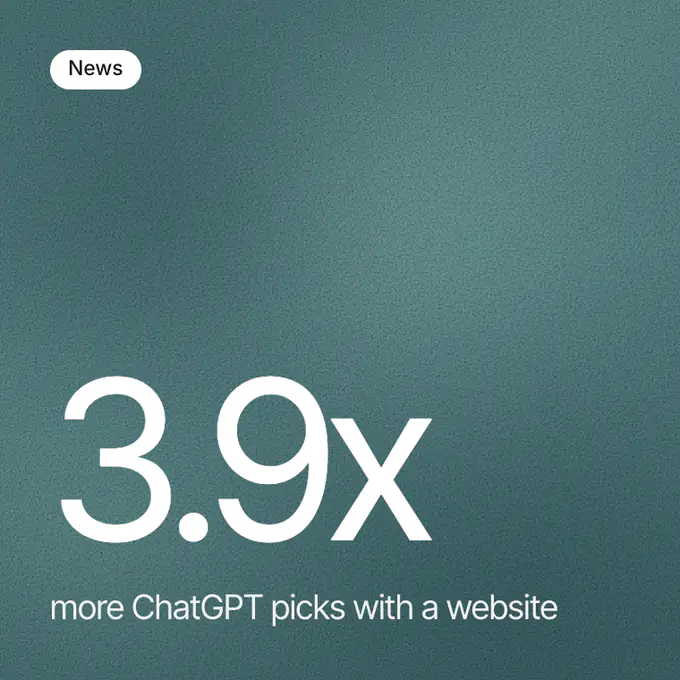
That inventory is also a growth opportunity, because people choosing a lawyer are increasingly asking AI assistants which firms to trust, and some are asking how firms handle AI. A firm that publishes a plain-language statement of how it uses AI, where a lawyer reviews the work and how intake data is handled gives prospective clients a reason to trust it and gives assistants a clear, citable answer when someone asks.
Most firms will treat SB 574 as a compliance memo. The ones that explain their answer in public will turn the same work into a reason to be chosen.
Sources
- California sets guardrails on lawyers' AI use (Reuters, October 2026)
- California Enacts Rules Governing Lawyers' Use of Generative AI (Holland & Knight, October 2026)
- California's nation-leading AI framework just got stronger (Office of the Governor of California, September 2026)